
5 Hidden Reasons Your Dog's Stomach Is Always Off (And Why "Premium" Food Isn't Fixing It)

By
Dr. Dimitar Marinov, MD, PhD. Nutrition Researcher. Sponsored Content.
Aug 31, 2025 | 0 comments

You’ve tried everything. The fancy frozen food. The grain-free kibble. The premium ingredient diet everyone is hyping online.
And yet your dog still has loose stools. Or gas that clears the room. Or that nervous stomach that means you’re always watching for signs of another accident.
If you’re exhausted from playing detective with your dog’s digestive system, here’s what might actually be going on.
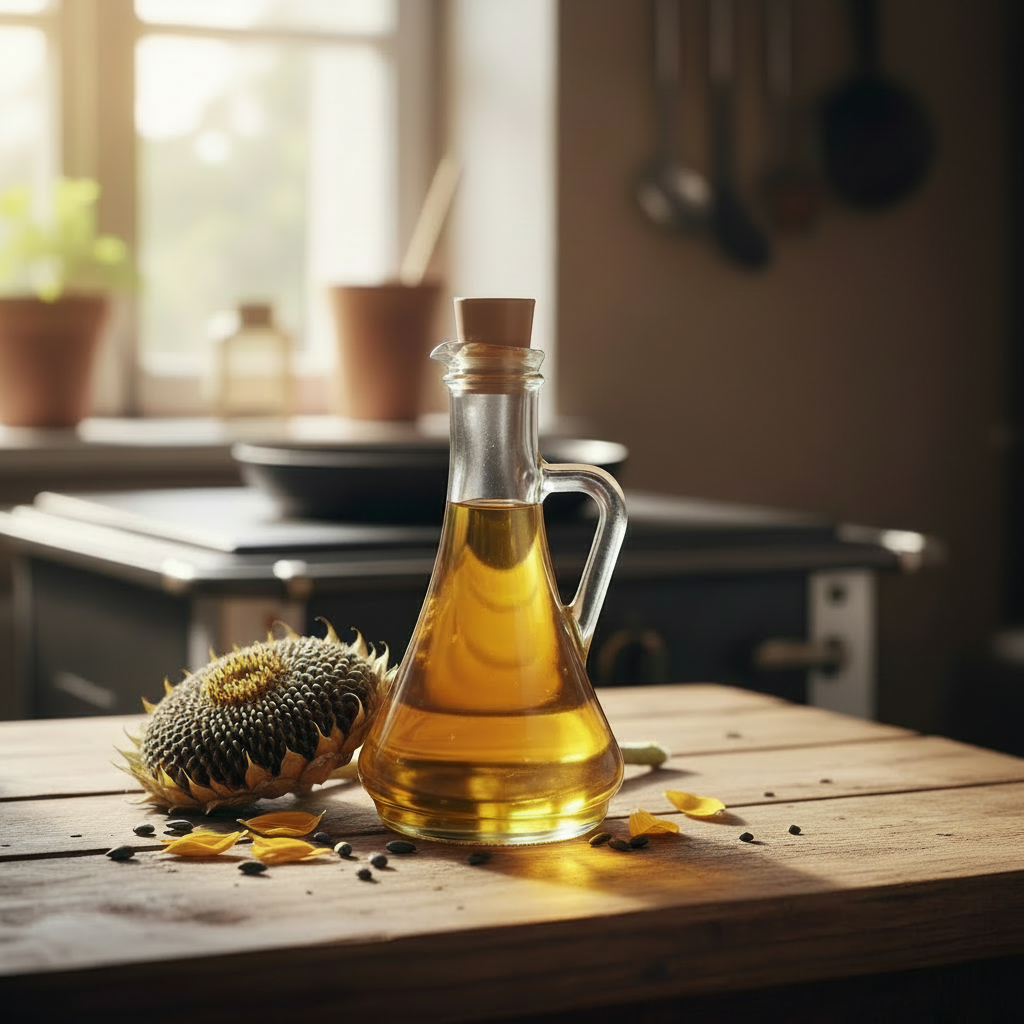
Here’s what no one tells you: Most dog foods (even the expensive ones) use seed oils like canola, sunflower, or safflower oil.
Why? They’re cheap. They extend shelf life. And most pet parents don’t know to look for them.
But here’s the problem. Seed oils are one of the biggest triggers of gut inflammation in dogs. They can damage the gut lining over time, leading to what researchers call “leaky gut.”This shows up as gas, bloating, loose stools, and food sensitivities that seem to come out of nowhere.
What you’re seeing: Chronic tummy trouble that never quite goes away, no matter how many foods you try.
What actually helps: Foods made with gut-healing fats like coconut oil instead of inflammatory seed oils. Some brands (like Yumwoof) have completely eliminated seed oils and use Cocomega™ superfats that actually support gut healing.
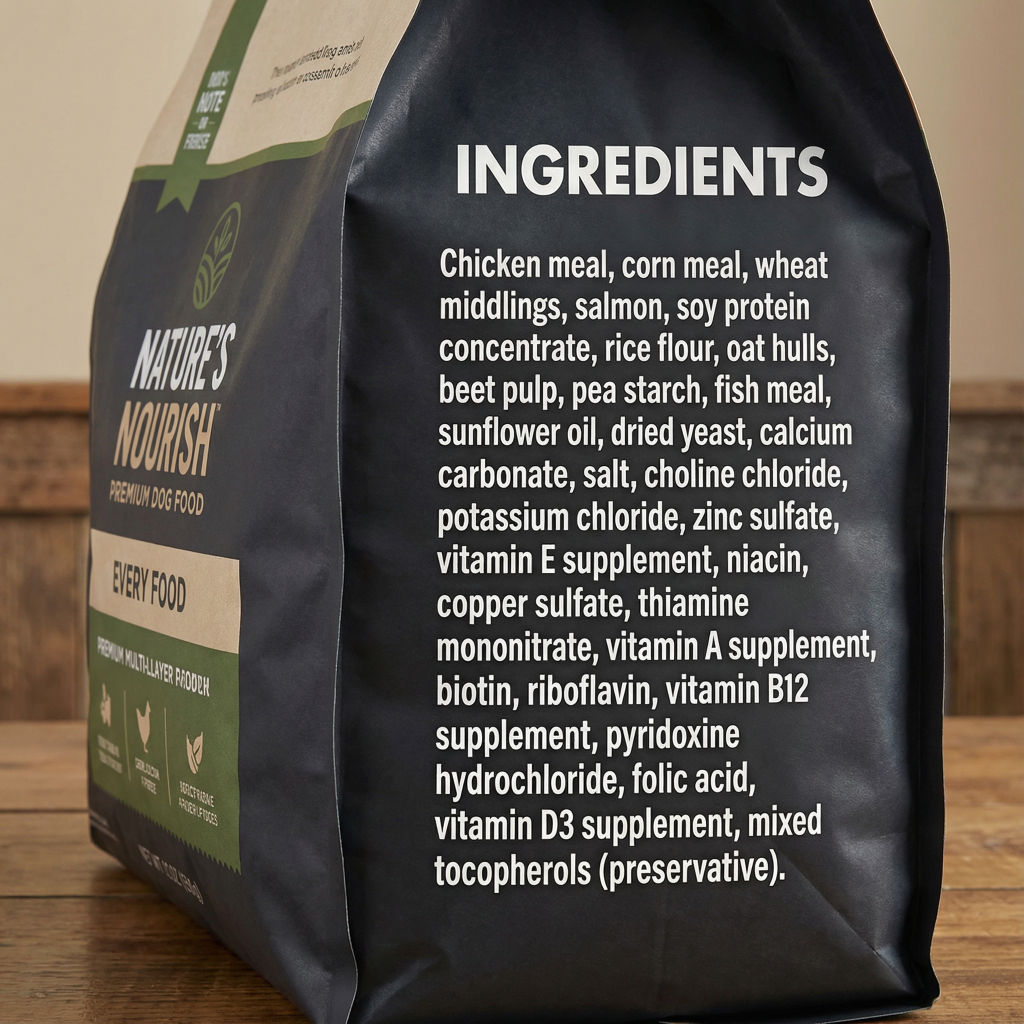
When you look at the ingredient list on most dog foods, it’s a lot of… stuff. Peas. Lentils. Potato starch. “Natural flavors.” Things you can’t even pronounce.
And while it might seem fine on paper, here’s what happens inside your dog’s digestive system: All that filler material sits there. It ferments. It produces gas. It takes forever to break down—if it ever fully does.
That’s why your dog’s stomach gurgles at 2am. That’s why their stools are unpredictable. That’s why they seem uncomfortable after meals.
What you’re seeing: Bloating, excessive gas, stools that change consistency daily.
What actually helps: Food that’s mostly meat—the thing dogs are actually designed to digest. When food is 85% real USDA meat and organs (and not 30% mystery ingredients), their digestive system doesn’t have to fight through a bunch of junk it doesn’t recognize.
Most kibble gets blasted with such high heat during manufacturing that it destroys the natural digestive enzymes in the ingredients.
And yes, technically it’s still “nutritionally complete.” But your dog’s gut now has to work so much harder to break down every single meal—because all the enzymes that would’ve made digestion easier are just gone.
It’s like asking someone to build a house without any tools. Sure, they can probably do it. But it’s going to be exhausting, take way longer, and the results won’t be pretty.
What you’re seeing: Chronic digestive strain, poor nutrient absorption, constant stomach sensitivity.
What actually helps: Gently processed food. Air-drying at low temperatures preserves those natural enzymes so digestion is easier, faster, and less stressful on their system. You’ll notice the difference in their energy and stool quality within days.
Here’s something most pet parents don’t realize: There’s a huge difference between vitamins from real food and synthetic vitamins created in a lab.
Synthetic vitamins are cheap. They check the “nutritionally complete” box. But they’re also harsh on the digestive system—especially for dogs with sensitive stomachs. They’re poorly absorbed, they can irritate the gut lining, and they’re one of the most common hidden causes of chronic tummy trouble.
If your dog reacts badly to every “premium” food you try, this might be why.
What you’re seeing: Sensitivity to multiple brands, even the expensive ones. Reactions that don’t make sense.
What actually helps: Food where every vitamin and mineral comes from real, whole food sources—not synthetic additives. Your dog’s body recognizes and absorbs nutrients from actual food way better than lab-created versions.
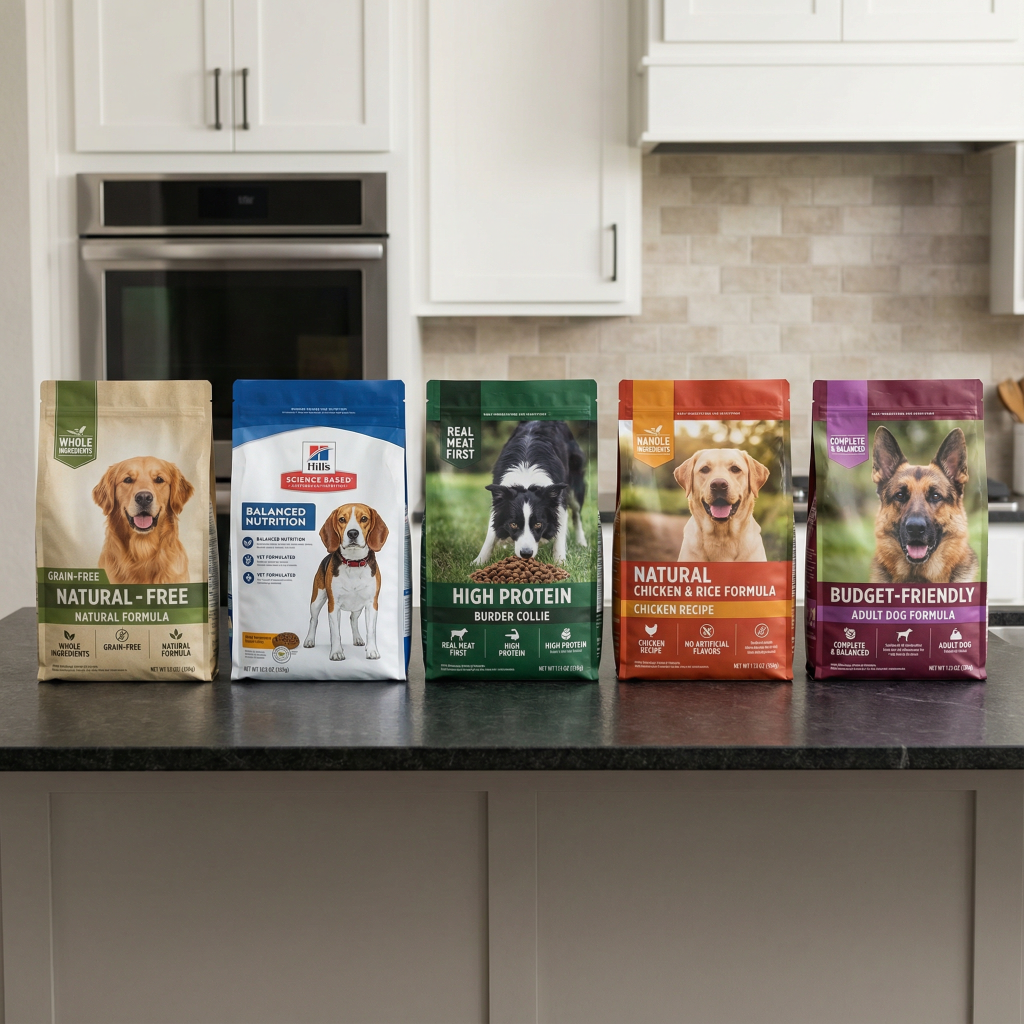
You’ve probably been told to “slowly transition” your dog to new food over 7-10 days.
And you do. You follow the instructions perfectly. You mix the old and new food gradually.
And yet—your dog still ends up with diarrhea. Or refuses to eat. Or has that awful period of stomach upset that makes you wonder if it’s even worth trying something new.
Here’s the truth: If the new food has the same gut irritants as the old food (seed oils, synthetic vitamins, low-quality fillers), of course the transition is rough. You’re not actually giving their gut anything different to work with.
What you’re seeing: Failed transitions, no matter how carefully you do them. Loss of hope that anything will work.
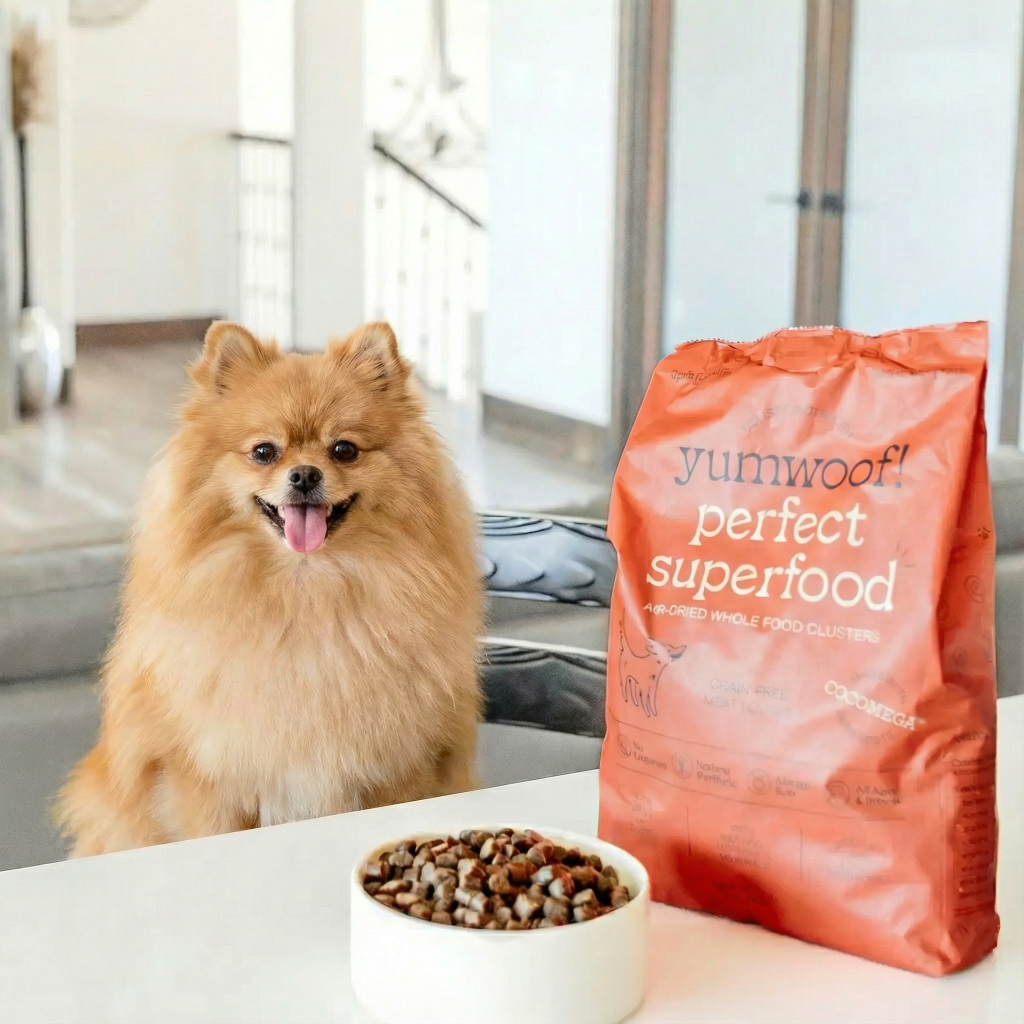
What actually helps: Food that’s actually different at the ingredient level. Parents constantly report that switching to truly clean food (like Yumwoof) is the smoothest transition they’ve ever experienced—often within just a few days, with minimal upset.
Your dog’s chronic stomach issues probably aren’t because they’re “just sensitive.”
It’s because the food industry has normalized ingredients that cause digestive problems—and then marketed other products as “solutions” for the problems they created in the first place.
If you’ve tried multiple premium brands and nothing’s working, it’s not your fault. And it’s not your dog’s fault.
It just means you haven’t found food that actually removes the gut irritants instead of just adding more Band-Aids.
What to look for:
- Zero seed oils (check for coconut or animal fats instead)
- Mostly meat (at least 70-85%, not 30%)
- Gently processed (air-dried, not high-heat extruded)
- Real food vitamins (not synthetic additives)
- Simple ingredient list (if you can’t identify it, your dog’s gut can’t either)
Your dog’s gut can heal. Their stools can be normal. The gas can stop. The anxiety around feeding time can end.
It just takes food their body can actually handle.
Struggling with your dog’s gut health? Yumwoof’s Perfect Superfood was specifically formulated to eliminate the 5 gut irritants above—with 85% USDA meat, zero seed oils, real food nutrients, and gentle air-drying that preserves natural enzymes. Learn more about how it works.